


Disclaimer: Do not do this at home. I am a very stupid person having fun with potentially dangerous Li-ion batteries.
Trash-powered
A while ago, I started collecting e-cigarettes from the trash.
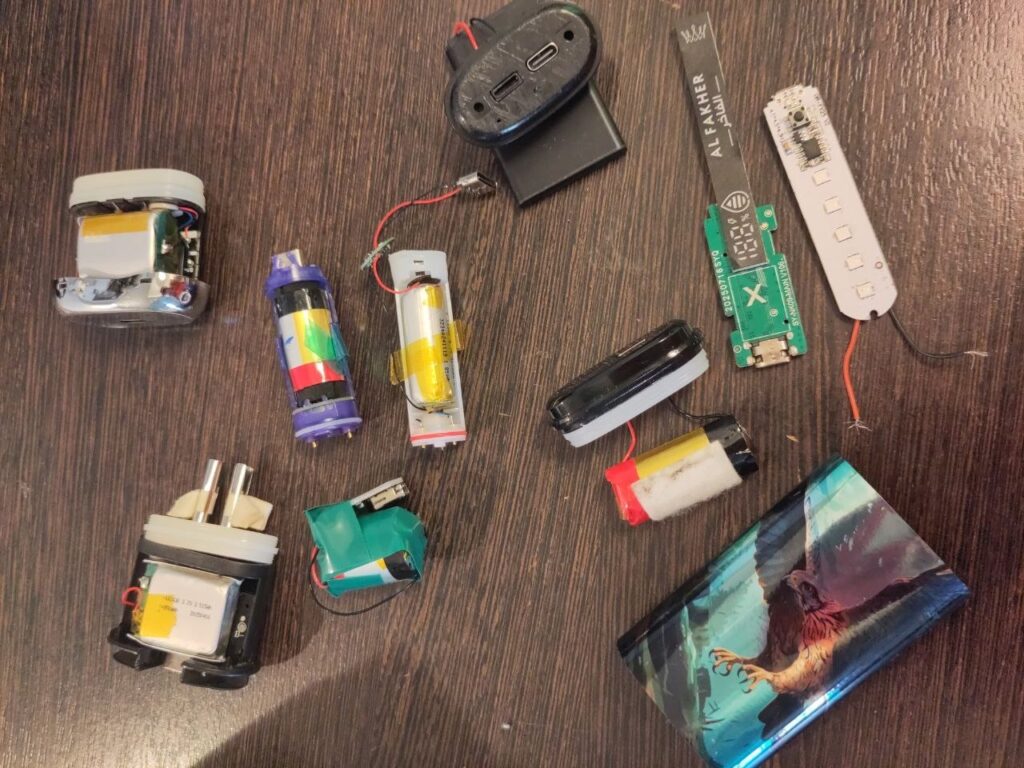
They used to be disposable ones, or “puffs”, but those got banned for lots of excellent reasons, one of them being: why would you use a rechargeable Li-ion battery cell in a disposable device with no charger?
From the perspective of Li-ion battery collecting, this was ideal: the battery cell is practically brand new, since it was only discharged once. To add the possibility to recharge, I simply bought tiny single-cell Li-ion chargers from AliExpress.
Now, I find this JNR Falcon model thrown away everywhere around the city.The advantage over puffs is that they come with their own charger, a very sleek and tiny USB-C board. These e-cigarettes are almost disposable too, I don’t even know if they can be recharged of their nicotine goo, but based on the amount of this stuff I collect, they are very popular and very short-lived.
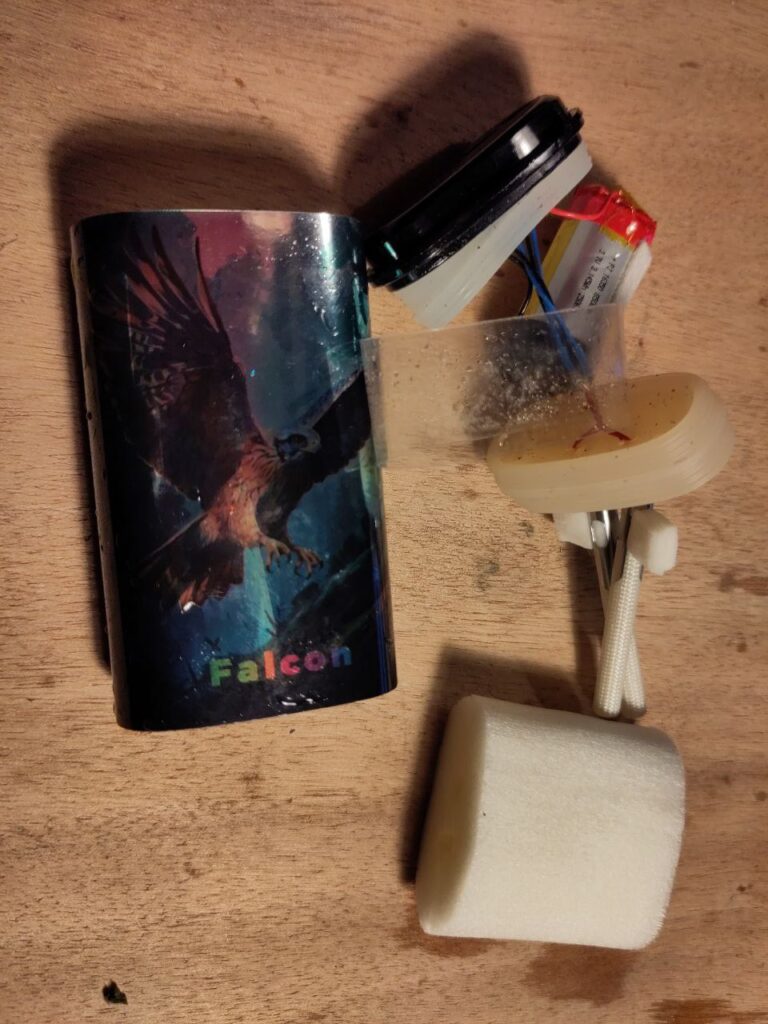
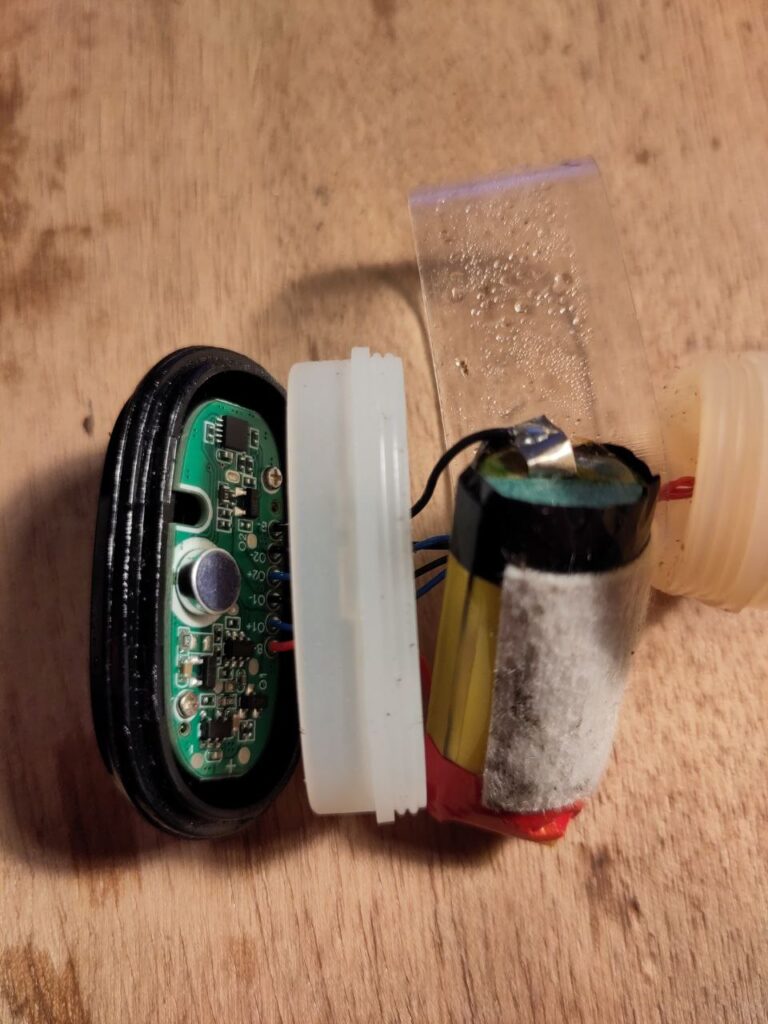
At 60°C Li-ion batteries risk thermal runaway, which is a fancy name for fire or explosion. Do not let any battery-powered object outside under the sun... even if it’s someone else’s trash.
Not a fan of this fan
I also bumped into a cardboard box full of those cheap portable fans, thrown away on the street.
I gathered two of them because they looked salvageable, and my pockets did not allow to collect them all. They were both working fine. Those are AA battery powered, so I guess they were trashed simply because the AA batteries ran out.
I then slapped an e-cigarette battery and charger into a cheap fan, and despite supplying an higher voltage than in the original design, it works. However, the DIY does not solve that this fan is particularly inefficient and very noisy. I just made it rechargeable, and 4000% more dangerous than it should be.
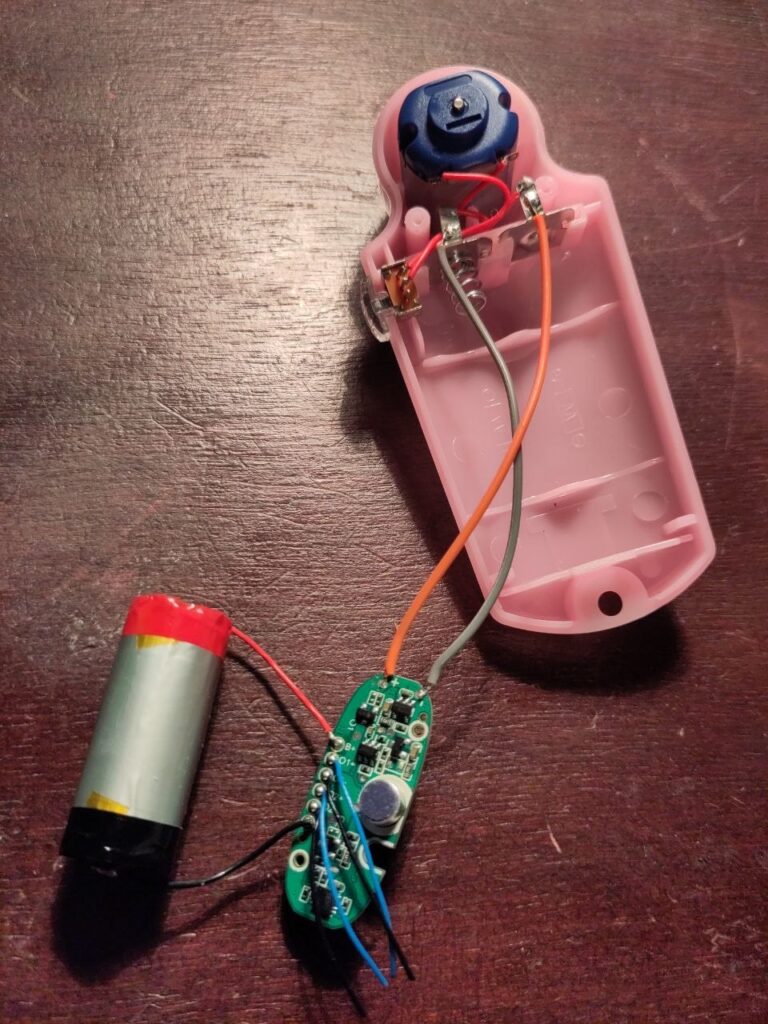
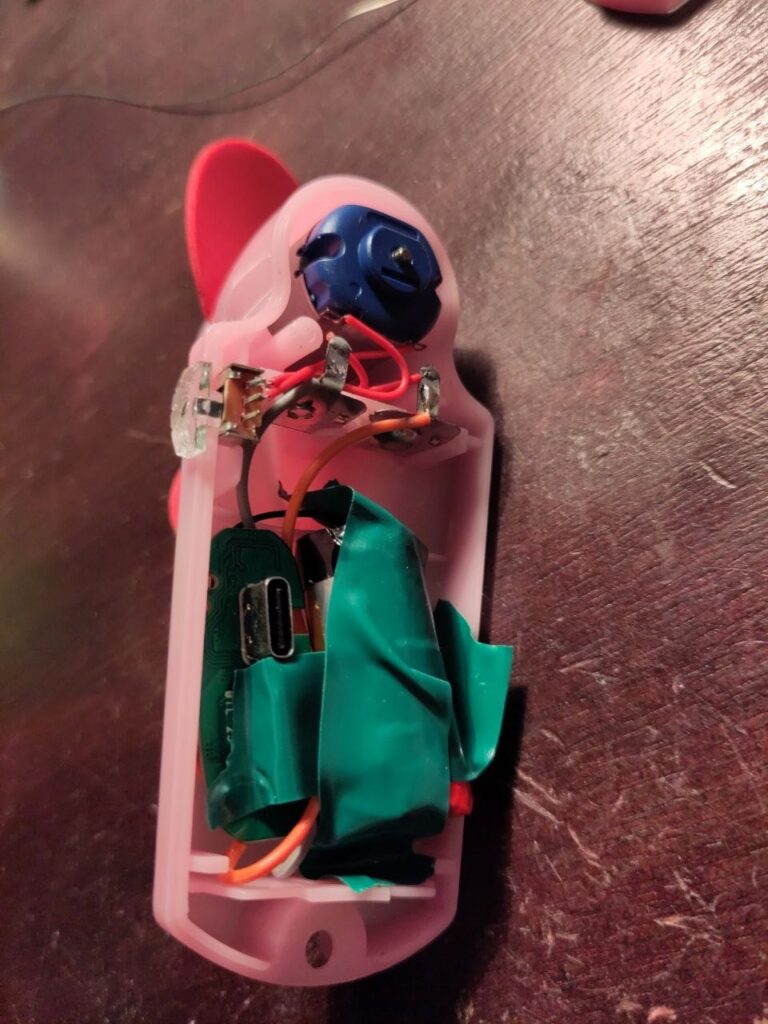
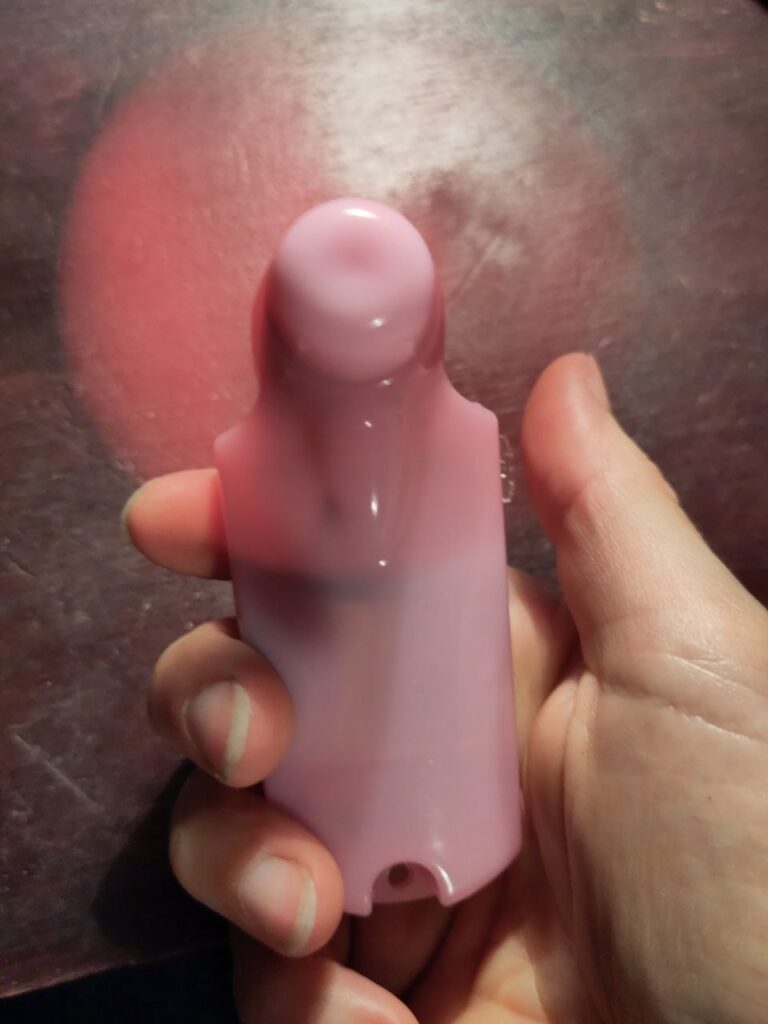
The hand fan is a far better option.

Vintage flashlight retrofit
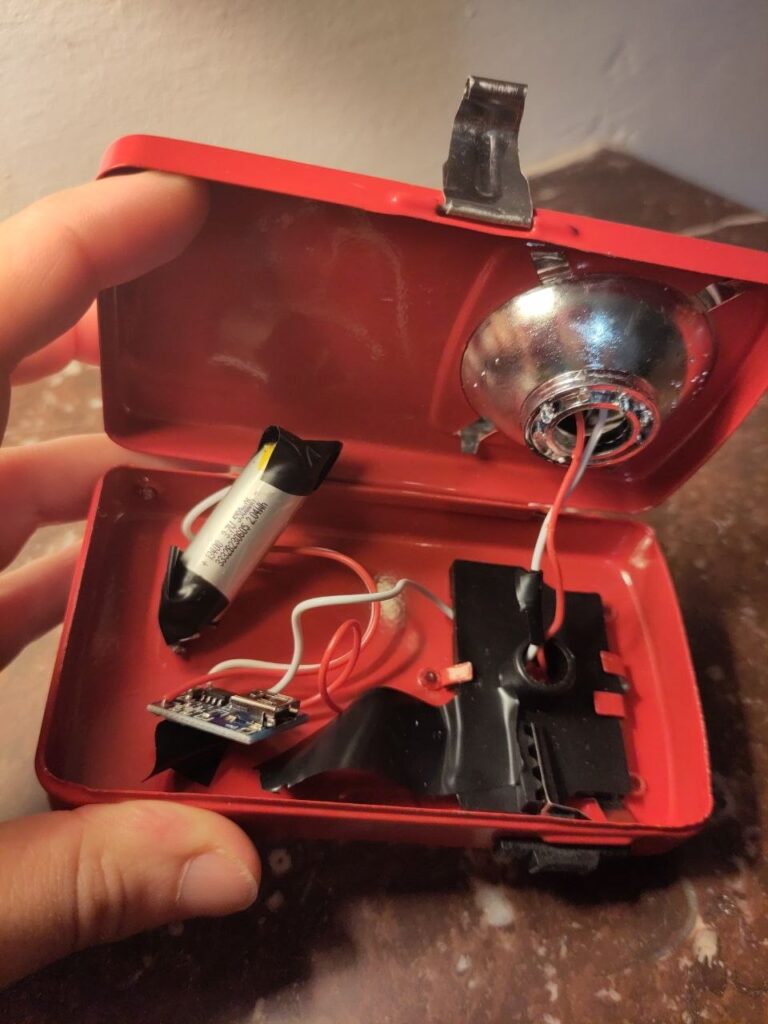
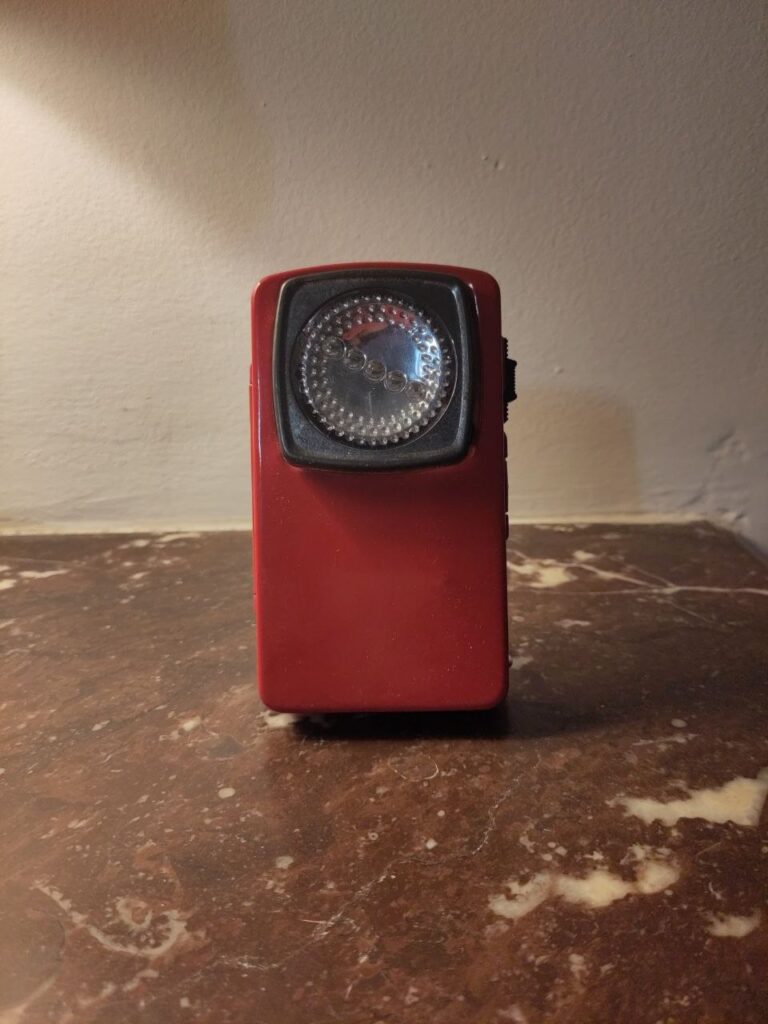
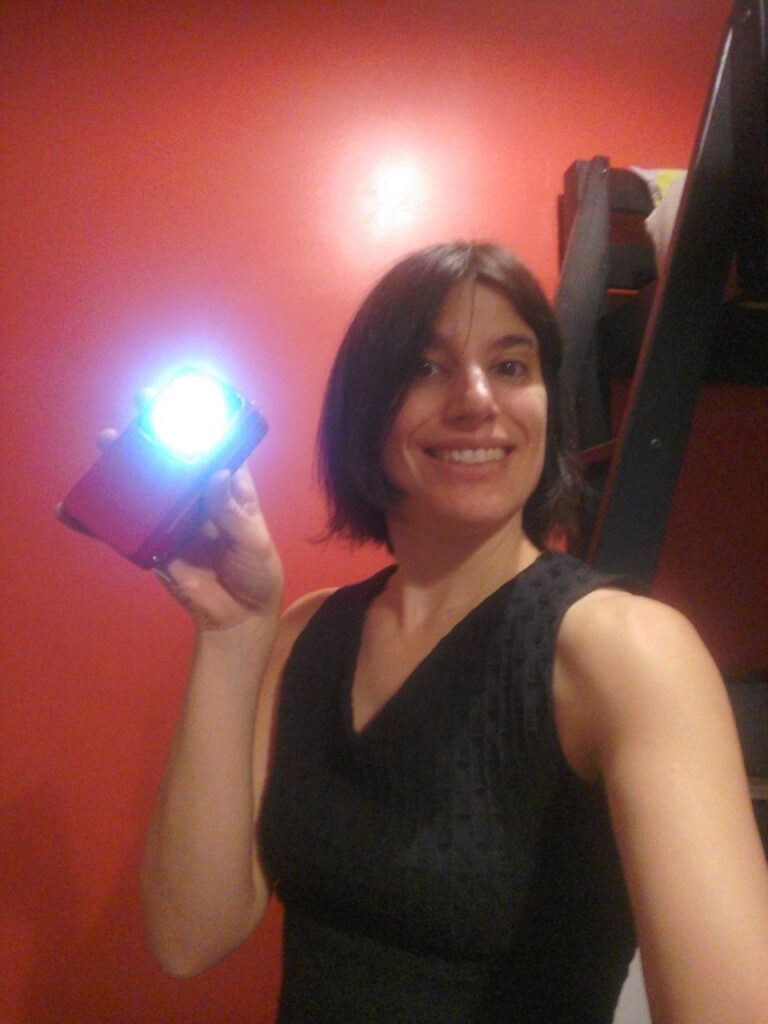
My box of broken stuff contained an LED headlamp with shattered plastic housing. It was powered by three AAA batteries, which was always annoying. I salvaged its LEDs, added an e-cigarette battery, a mini-charger board from AliExpress, and a vintage flashlight casing. As you can see, there’s more than enough room left by the original 4.5V battery compartment to fit the new electronics. The retrofitted flashlight is now rechargeable and produces much more light than it did before.
Bicycle lights
I also collect lost or broken bicycle lights, which are often found along bike lanes or near bike racks.
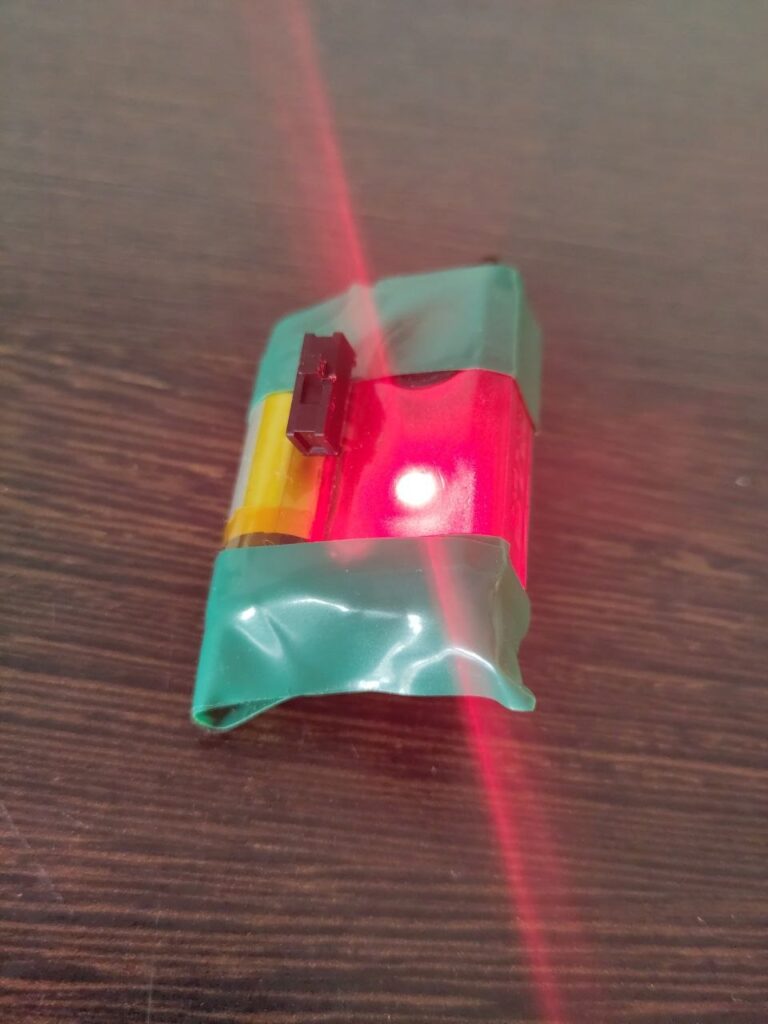
Typically, a rechargeable bicycle light contains a small Li-ion cell, a charging board with a USB port, a button and some LEDs, white or red.
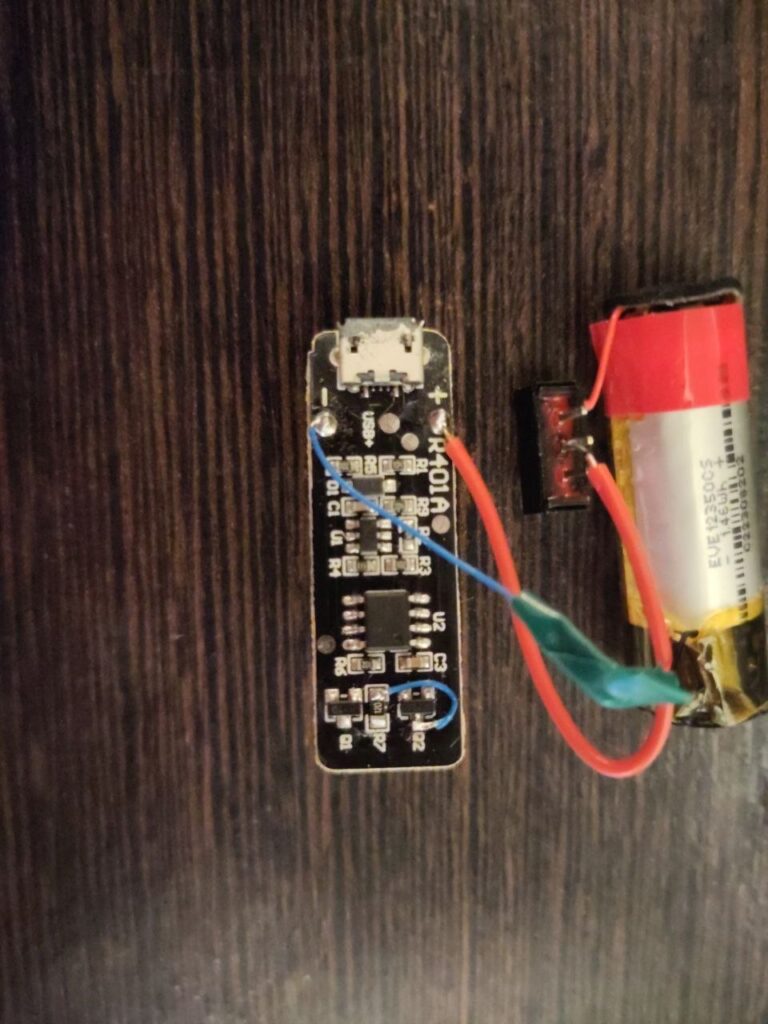
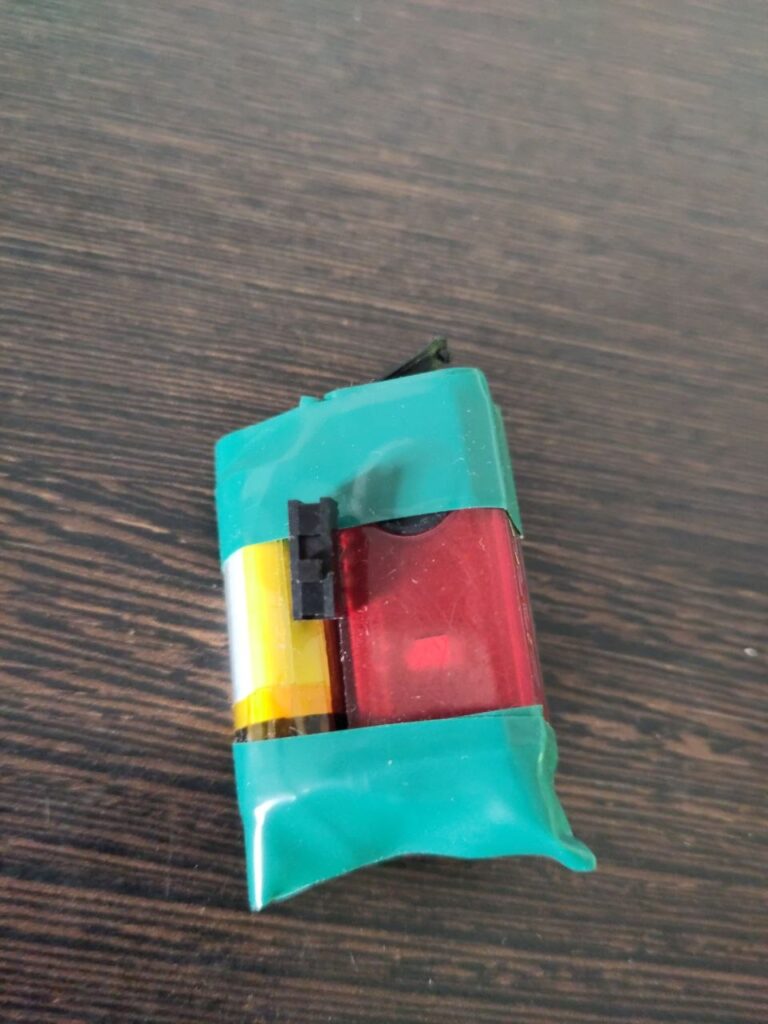
I found a small one with a damaged battery, which needed to be replaced.
Unfortunately, the model I found was a blinking-only red light, and the cycling regulations have recently changed to require steady rear lights instead of blinking ones. So I also had to modify the board by bypassing the two-transistor blinking circuit. Apparently it’s called an astable multivibrator and is analog people’s blinky.
Conclusion
Do not play with Li-ion batteries. But if you do:
- Avoid short circuits, for instance, store the cells in separate bags.
- Be pessimistic and always have a plan if a battery fire starts. Like, keep some sand or soil nearby, store batteries in an old pan or pot. You want to be able to keep the fire contained and move the battery outside without touching it.
- Store batteries partially charged.
- Check them regularly for swelling, overheating, or any other unusual behavior.
- Dispose of damaged or unwanted batteries through the proper recycling channels.
An AA or AAA battery is around 1.5V, or 1.2V for rechargeable NiMH cells, so most devices using 3 of them (4.5V) can often be adapted to use a single Li-ion cell (3.7 to 4.2V). For 2 or 4 cells it can also work, but is more experimental.