


Today, a special episode featuring two PCBs I discovered during my holidays in Berlin and Prague.
The Printed Circuit Watch
I was at the Open Source Summit in Prague and, after a long story involving talking to lots of people, drinking wine, and then talking to even more people, I met this really talented guy named Ephraïm. He made a minimalist, non-smart watch with an amazing design.
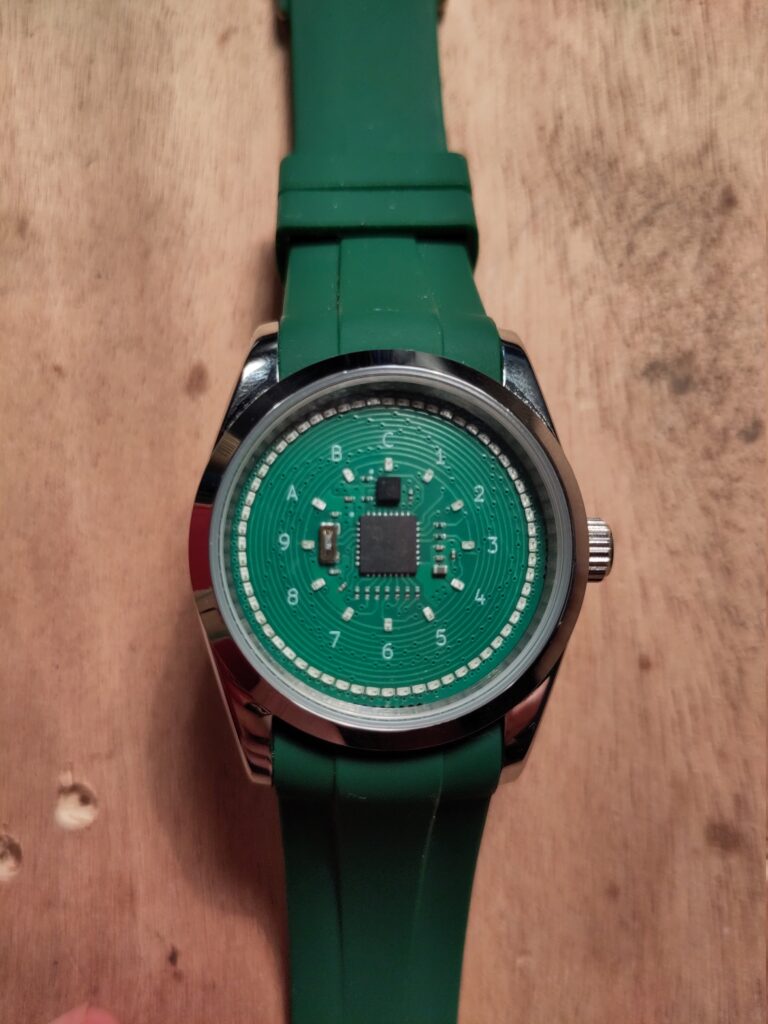
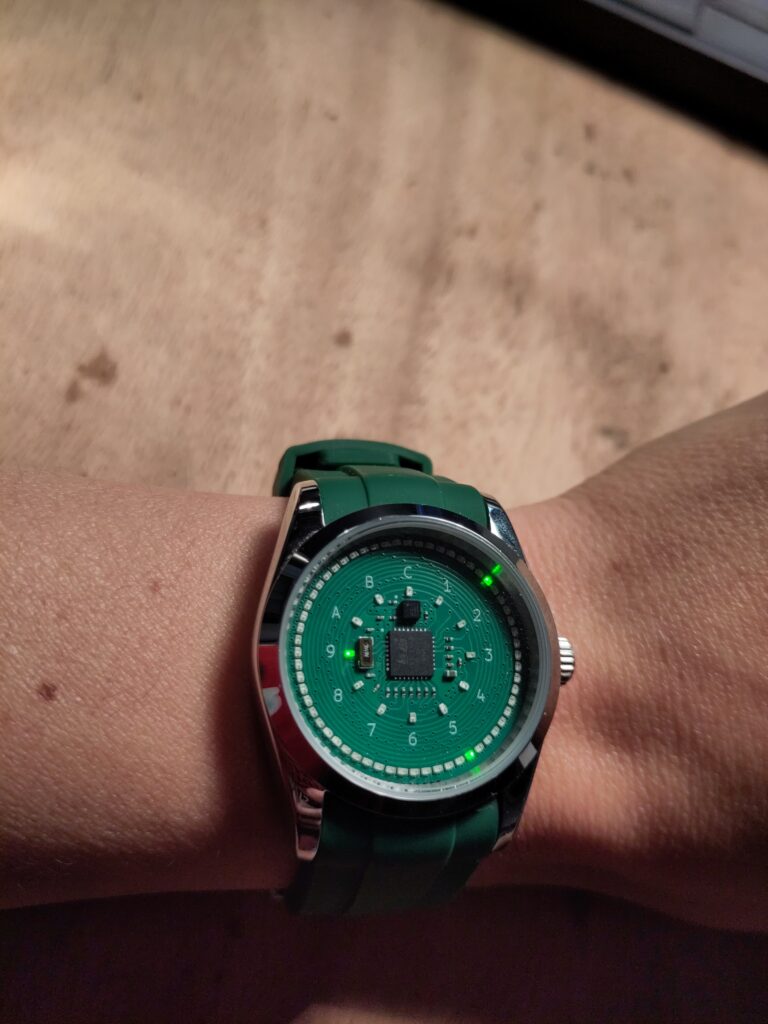
What you see here is a two-layer PCB with SMD components on top. Every component is visible on the PCB, as are most of the traces. The main IC is the tiniest STM32 package available, and it is SO FREAKING CUTE.
The time is displayed using two rings of LEDs: a small ring of 12 LEDs that displays the current hour, and a larger ring that displays the minutes and seconds.
The LEDs are charlieplexed to the MCU and routed using these absolutely stunning circular tracks, and beautifully placed, symmetrical vias. This is not just decorative PCB art: the tracks are all functional. This is some serious KiCAD skills.
Notice the detail on the silkscreen. To keep each hour one character wide, 10, 11, and 12 are written in hexadecimal, because we nerds have lunch at 0xC.
The user interface is also interesting. This PCB does not have any buttons. The wheel on the side is not connected to the PCB. Instead, it uses an inertial sensor to detect taps. You can then set the time by rotating the watch. It is not the easiest user interface, but it is not bad for such a minimalist PCB.
The battery is hidden on the back, along with the test points used for flashing. Ephraïm made a custom mini-jig to flash the board, because not everyone is the kind of person who destroys test points by soldering wires onto them. We just have different styles, don’t judge me.
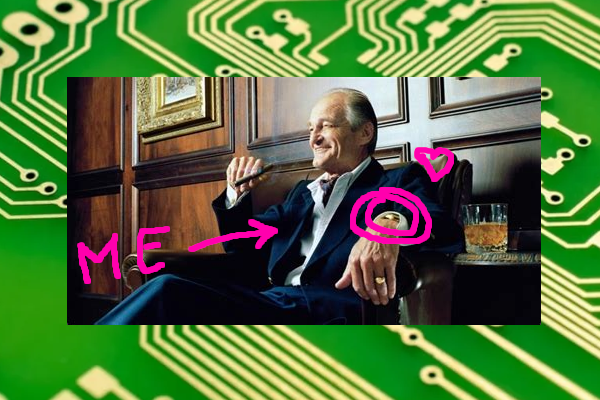
Full disclosure: he gave me one of his watches, and I am now showing it off like a 60-year-old rich white man. But if you want one, you will have to wait a little while. He is currently thinking about his second PCB run, his business model, and all that stuff. I will keep you posted.
Bonus point: it runs Zephyr! I can now carry Zephyr with me everywhere.
The PCB lasagna synthesizer
Before Prague, we stopped in Berlin, because that is how we handle train trips, chilling in cities along the way.
We visited the Synthesizer Museum, not because I know much about synthesizers or electronic music in general, but because I am an electronics engineer who likes music, so it sounded like a suitable place to visit.
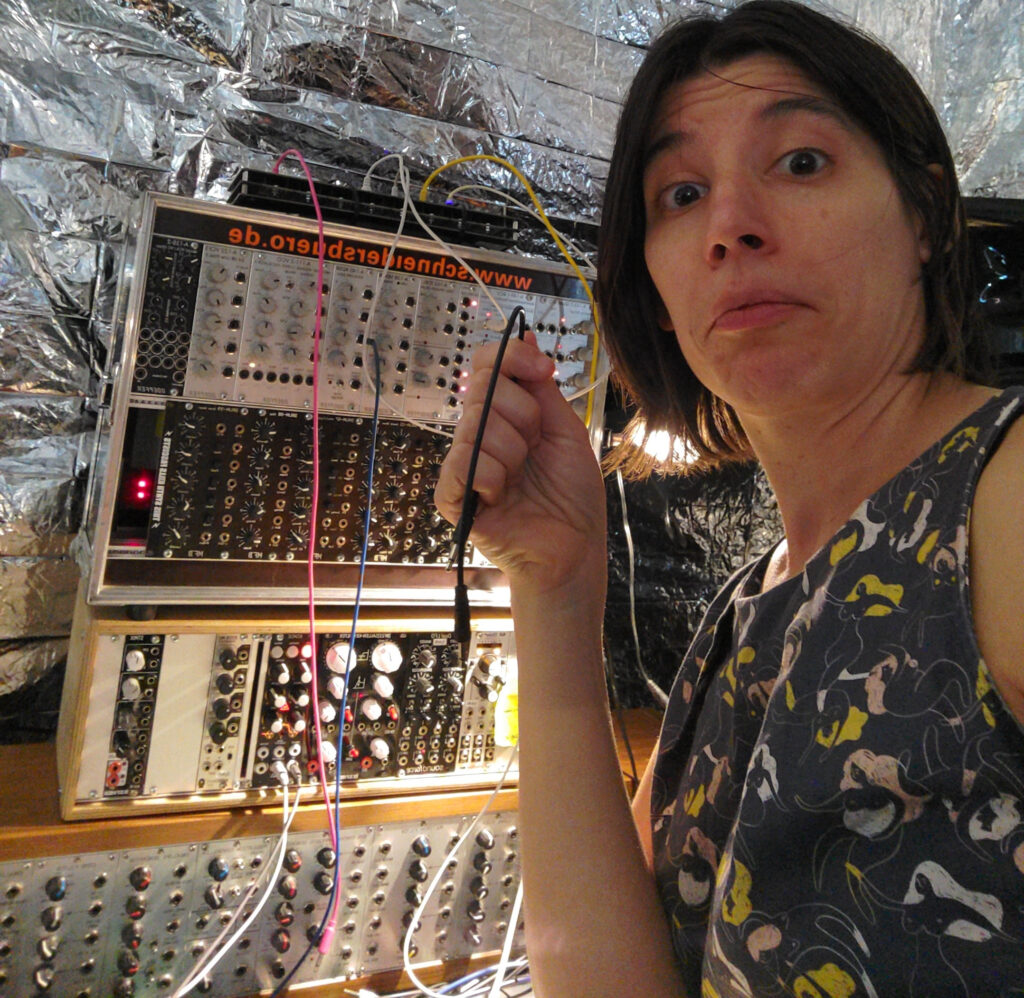
https://www.synthesizermuseum.info
It is an amazing place. They let you play with all the synthesizers, and they offer guided tours and workshops for people who actually plan their trips. In the souvenir shop, they also have their own custom synth, called MaxGen1.
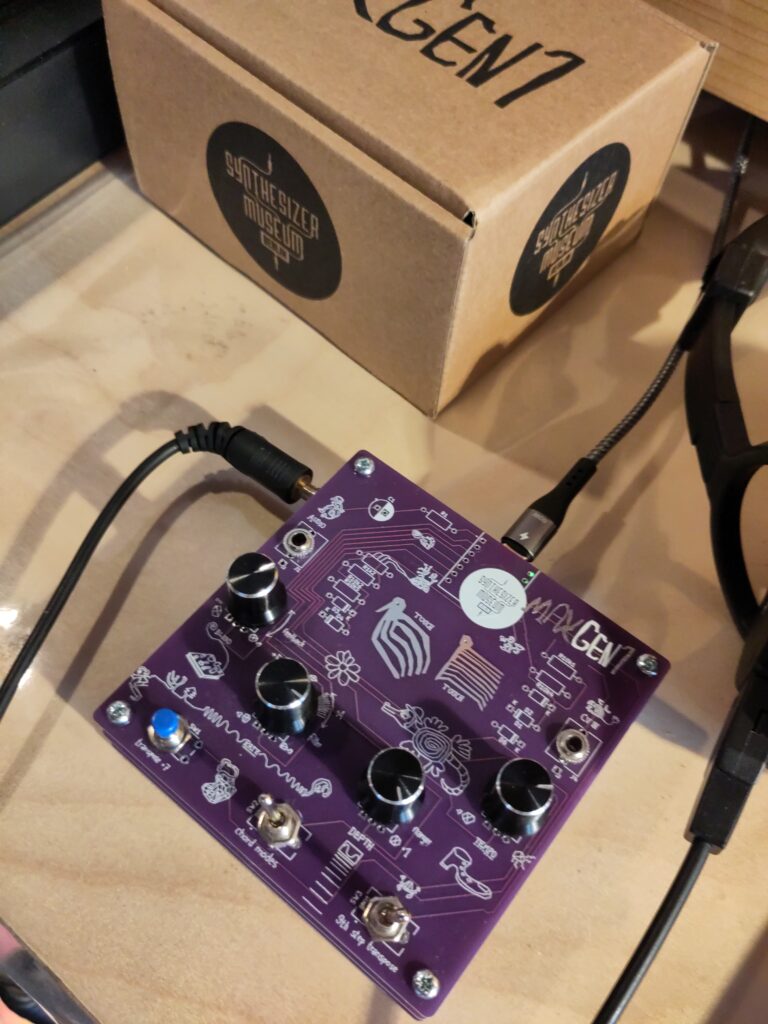
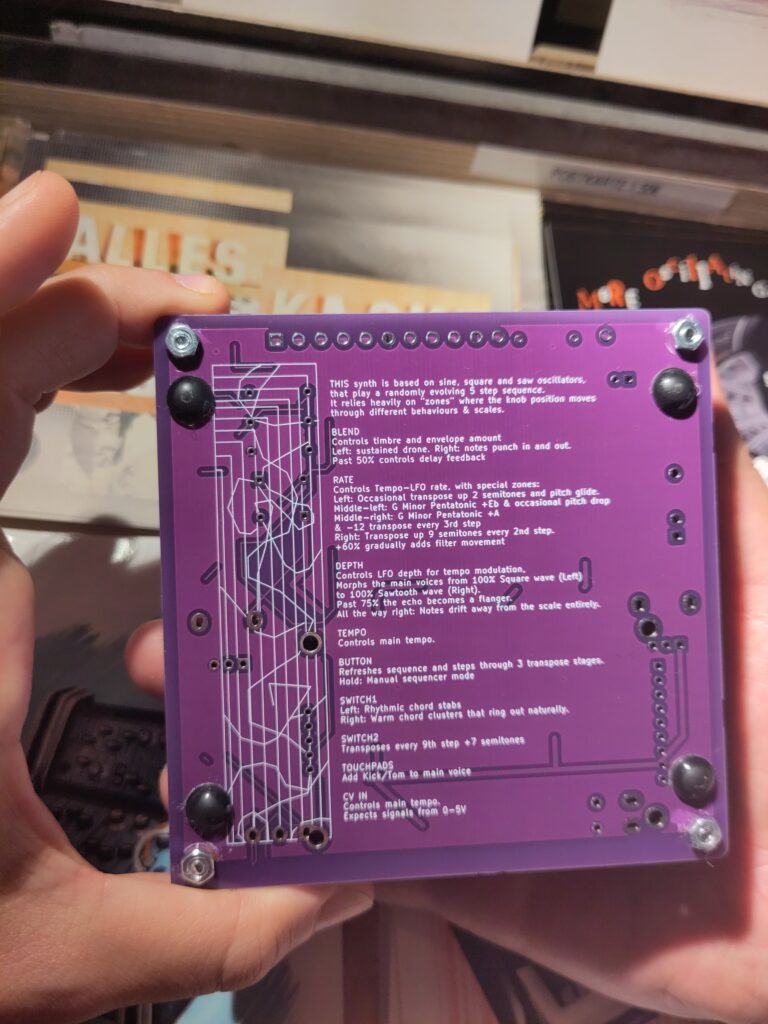
Well well well what do we have here? A casing made entirely from PCBs. That means three PCBs in total: a core PCB, a top plate, and a bottom plate.
The silkscreen design is super cool. Also the user manual is printed on the bottom silkscreen, a simple idea, and yet so powerful.
The two squiggly silver shapes in the middle of the top plate are buttons, when you tap them it makes sounds, which makes me happy.
They even have the rare and highly sought-after purple solder mask.
I did not buy it, so I cannot analyze it further, but still, the look is awesome.
Conclusion
*Tap-tap* what time is it?
*Tap-tap* it’s time to make more awesome PCBs.